

Pay-per-click (PPC) advertising is set to undergo significant changes in 2024. As businesses seek to stay ahead in the competitive digital marketing landscape, embracing the latest PPC trends is vital to maximise your campaign success. The UK market, in particular, is seeing innovative shifts driven by technology and regulatory changes.

One of the notable trends is the increasing role of artificial intelligence (AI) in managing PPC campaigns. Technologies such as smart bidding and automated ad placements are becoming more advanced, allowing for better-targeted ads that reach the right audiences more efficiently. This not only saves time but also optimises budget utilisation.
Privacy regulations are also reshaping the PPC landscape, with new rules on data usage requiring businesses to adapt their strategies. The rise of first-party data tracking is creating opportunities and challenges alike. Additionally, emerging platforms and channels are offering fresh avenues for PPC efforts, enabling you to tap into unexplored markets and drive higher conversions.
Key Takeaways
- Adopting AI technologies can significantly enhance PPC campaign efficiency.
- New privacy regulations necessitate revised data usage strategies.
- Exploring new PPC platforms can increase market reach and conversions.
Evolving Role of AI in PPC Campaigns

Artificial Intelligence (AI) is transforming how PPC campaigns are conducted in the UK. Through automation, smart bidding, advanced audience targeting, and predictive analytics, AI is making PPC campaigns more efficient and effective.
PPC Automation and Smart Bidding
Automation in PPC campaigns reduces manual tasks, letting you focus on strategic decisions. With smart bidding, AI adjusts bids in real-time to maximise results. This means you no longer have to manually adjust keyword bids, saving valuable time.
Smart bidding uses machine learning to analyse a wide range of data points like device, location, and time of day. It can predict which search terms are more likely to convert, adjusting bids accordingly. This enhances your campaigns by ensuring you get the most out of your budget.
AI-Powered Tools for Audience Targeting
AI-powered tools enhance audience targeting by using data to make precise adjustments. These tools can analyse user behaviour, preferences, and demographics to create highly targeted ad campaigns. AI-driven audience targeting means your ads reach the right people at the right time.
Using these tools, you can segment audiences more effectively, allowing for personalised marketing messages. This leads to higher engagement and conversion rates. AI can also update these segments in real-time, adapting to changes in user behaviour swiftly.
Predictive Analytics and Insights
Predictive analytics uses past data to forecast future outcomes. In PPC campaigns, AI models can predict which strategies will yield the best results. By analysing trends and patterns, these tools provide insights that help you make data-driven decisions.
This proactive approach means you’re not just reacting to what has already happened but anticipating what’s likely to come. You can adjust your campaigns accordingly, ensuring they stay relevant and effective. Predictive analytics also helps in identifying potential issues before they arise, making your campaigns more resilient and adaptive.
Impact of Privacy Regulations on PPC
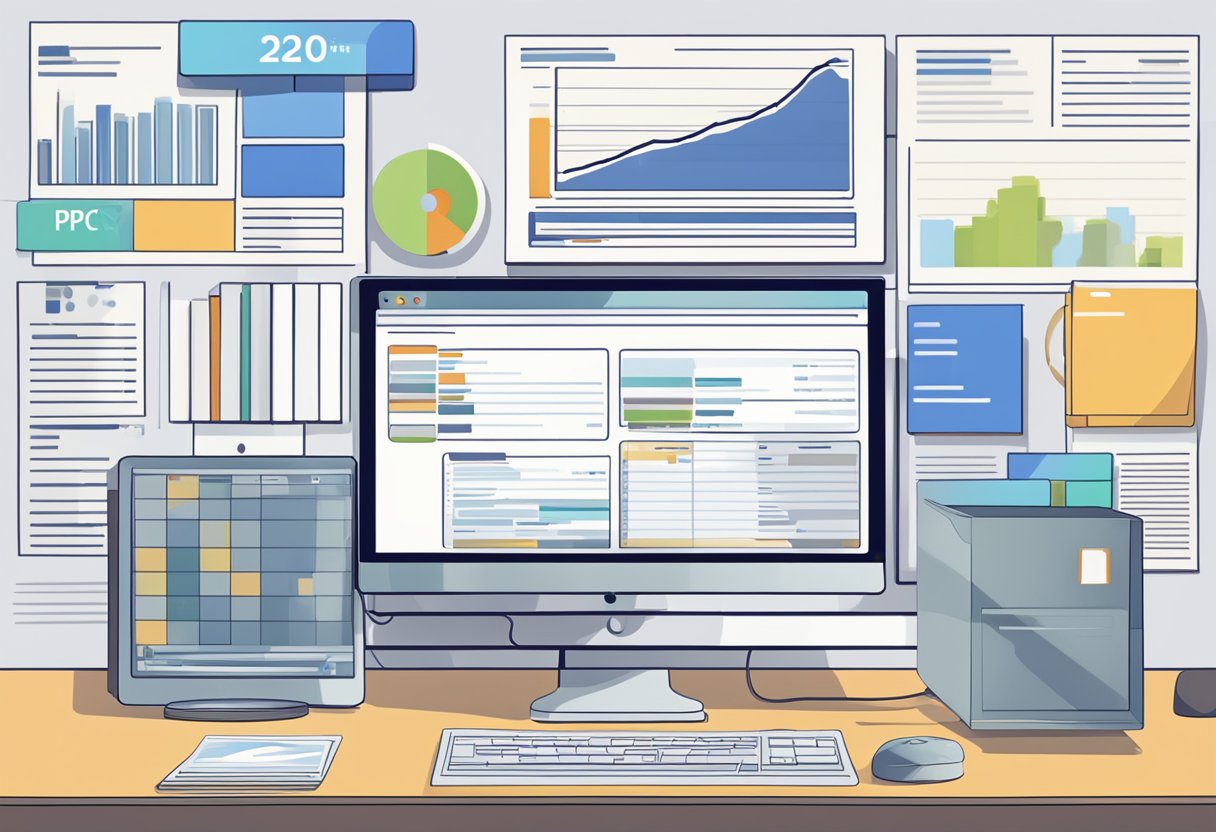
Privacy regulations are reshaping the landscape of PPC. Important factors include the increased use of first-party data, the challenges of losing third-party cookies, and the ongoing need to comply with GDPR and privacy concerns.
First-Party Data Utilisation
With more focus on user privacy, first-party data has become invaluable. First-party data is information collected directly from your audience. This comes from sources like website interactions, email subscriptions, and customer feedback. Utilising first-party data helps create targeted and personal PPC campaigns. This data is seen as more reliable because it comes directly from your users.
Businesses need to invest in tools and strategies to gather and analyse this data effectively. Customer relationship management (CRM) systems and data management platforms (DMPs) are vital. This shift allows for more precise targeting while respecting user privacy.
Adapting to Third-Party Cookie Loss
The loss of third-party cookies, used to track users across sites, is significant. Browsers like Chrome and Safari are phasing them out, pushing marketers to find alternatives. Adapting to this change is crucial for future PPC campaigns. You can no longer rely on third-party data for behaviour tracking and ad personalisation.
Some alternatives include contextual advertising, where ads match the content of the page rather than user behaviour. Another method is to use browser-based tracking technologies that respect user privacy. This shift requires marketers to innovate and find new ways to reach their audience.
Compliance with GDPR and Privacy Concerns
GDPR compliance remains a priority. The regulation impacts how businesses collect, store, and use personal data. To comply, businesses must have clear consent from users for data collection. This affects PPC campaigns as you need to manage and protect user data responsibly.
Ensure your PPC campaigns are transparent about data usage. Include privacy notices and adhere to user settings for data collection. Managing privacy concerns builds trust with your audience, essential for long-term marketing success. You also need to stay updated with changes in regulations to avoid penalties and maintain compliance.
Emergent PPC Channels and Platforms
New platforms and innovative advertising methods are shaping the future of PPC in the UK. Video ads on social media, PPC opportunities on Amazon and LinkedIn, and the growing importance of visual and voice search are key areas of focus.
Video Advertising on Social Media
Video advertising is gaining importance on platforms like YouTube, TikTok, and Instagram.
Creating engaging content that captures attention quickly is vital. Algorithms prioritise videos that receive high engagement, so aim for short, captivating clips. Using popular music, trending challenges, and relatable content can help improve visibility.
It’s also important to track performance metrics like view count, watch time, and engagement rates. These insights will guide you in refining your campaigns for better results. Social media platforms offer various ad formats, so choose the one that aligns best with your goals.
Leveraging Amazon and LinkedIn for PPC
Amazon and LinkedIn are becoming essential for PPC campaigns.
Amazon offers advertising solutions to target shoppers already in a buying mindset. Sponsored Products, Sponsored Brands, and Sponsored Display ads are effective ways to increase visibility and sales. Understanding Amazon’s ranking algorithm and customer behaviour can help you optimise your bids and keywords.
LinkedIn, on the other hand, is perfect for B2B marketing. Its detailed targeting options allow you to reach decision-makers and professionals in specific industries. Utilise Sponsored Content, Sponsored InMail, and Text Ads to drive leads and enhance brand awareness. Make sure to create compelling content that speaks directly to your target audience’s needs and preferences.
The Rise of Visual and Voice Search
Visual and voice search are transforming how users interact with search engines.
Visual search tools like Google Lens enable users to search using images rather than text. To capitalise on this, ensure your product images are high quality and include detailed meta descriptions.
Voice search is also growing, thanks to smart speakers and voice assistants. Optimising for voice search requires a focus on natural language and conversational keywords. Think about how people phrase their queries when speaking and adjust your content accordingly.
Both trends demand a shift in strategy, prioritising user experience and the immediacy of information.
Maximising Conversion through Strategic PPC
Maximising conversion rates requires innovative ad copy, enhanced keyword strategies, and optimisation for mobile and user experience. These key elements work together to engage users and increase the effectiveness of your PPC campaigns.
Innovative Ad Copy and Content
Creating effective ad copy is crucial for increasing engagement and conversion rates. You need clear, compelling language that speaks directly to your target audience. Using emotional triggers and strong calls to action can make a significant difference.
Incorporate keywords naturally within the ad copy to ensure relevance and improve the ad’s performance. Additionally, testing different versions of your ad content helps you identify which variations perform best.
Personalisation in ad copy also boosts engagement. Tailoring messages based on user behaviour and preferences makes your content more appealing.
Enhanced Keyword Strategies
Effective keyword strategies are essential to capture user intent and drive conversions. Using a mix of broad match and phrase match keywords allows for a wider reach while maintaining relevance.
Researching and selecting high-converting keywords can improve your ad’s placement and effectiveness. Also, regularly updating and refining your keyword list ensures you keep up with changing trends and search behaviours.
Negative keywords should also be utilised to prevent your ads from showing up in irrelevant searches, which helps to reduce wasted spend and increase your overall ROI.
Optimising for Mobile and User Experience
As more users access the internet via mobile devices, ensuring your PPC campaigns are mobile-friendly is vital. Mobile-optimised ads should load quickly and display correctly on various devices.
Improving user experience on landing pages is equally important. Ensure clear navigation, compelling content, and fast load times. Use metadata effectively to give users a clear idea of what to expect from your content.
Responsive design, which adapts to different screen sizes, further enhances the user experience. By focusing on mobile optimisation, you can significantly increase engagement and conversion rates from mobile users.
Frequently Asked Questions
In 2024, PPC strategies are set to evolve with the integration of AI, new Google Ads features, and changes in audience targeting. Let’s dive into some key questions about these developments.
How is AI expected to influence PPC strategies in 2024?
AI is predicted to play a significant role in PPC strategies. You will likely see increased use of AI for automating ad placements, optimising bidding strategies, and enhancing personalisation. AI can analyse vast amounts of data to predict user behaviour, helping you create more effective campaigns.
What new features are predicted to be launched in Google Ads by 2024?
In 2024, Google Ads is expected to release new features aimed at enhancing ad performance and user experience. Look out for more advanced AI-driven tools for campaign management, better integration with other Google services, and improved reporting capabilities. These updates will help you streamline your advertising efforts.
In what ways is audience targeting likely to evolve in paid search by 2024?
Audience targeting in paid search is set to become more precise and data-driven. Expect to see greater use of first-party data for targeting, due to rising privacy concerns. You’ll also find more sophisticated tools for segmenting audiences based on behaviour, interests, and demographics, allowing for more tailored and effective ads.
What are the latest advancements in attribution modelling for PPC?
Recent advancements in attribution modelling include the adoption of multi-touch attribution and data-driven attribution models. These models offer a more accurate reflection of the customer journey by considering multiple interaction points. They help you understand which channels and keywords are most effective, allowing for better budget allocation.
How are changes in privacy laws anticipated to impact PPC advertising?
Privacy laws are becoming stricter, affecting how you can collect and use data. With the rise of first-party data tracking, advertisers will need to focus on transparent data collection methods. Compliance with regulations like GDPR is crucial, and you’ll need to adjust your strategies to maintain user trust and meet legal requirements.
What role will automation and machine learning play in PPC campaign management?
Automation and machine learning are increasingly integral to PPC campaign management. These technologies can handle tasks such as bid adjustments, ad placements, and performance analysis with greater efficiency than manual methods. By leveraging automation, you can achieve better results with less effort, enabling you to focus on strategy and creativity.
Need a stunning web design in Leeds for your business? Then contact SOS Marketing today! We also offer Pay Per Click (PPC), branding and other services.